The world of digital finance is changing faster than most people can keep up with today. At the heart of this massive shift is a powerful concept known as decentralized ledger technology or DLT. Many people hear the word blockchain and immediately think of volatile digital currencies or complex computer coding.
However, the true potential of this technology goes far beyond just money or speculative trading assets. It represents a fundamental change in how we record, share, and verify information across the entire globe. Imagine a world where you don’t need a central authority like a bank to prove you own something.
This technology creates a digital system of trust that is nearly impossible to hack or manipulate by anyone. It allows for a transparent and secure way to handle everything from medical records to property titles.
Understanding the basics of this decentralized system is the first step toward mastering the future of the internet. We are moving away from centralized servers where one company holds all the power over your private data. In a decentralized network, every participant has a copy of the record, making it resilient and highly transparent.
This guide will break down the complex mechanics of ledgers into simple ideas that anyone can understand easily. We will explore how these digital chains stay secure and why they are revolutionizing industries like logistics and healthcare.
You will see how this technology removes the need for expensive middlemen who often slow down global transactions. By the end of this article, you will see why DLT is the backbone of the next great digital revolution. Let’s explore how a simple digital record can change the way the entire world functions and communicates.
The Core Concept of a Distributed Ledger
A traditional ledger is just a book or a database that records transactions, usually managed by a single bank or office. If that one book burns down or the database gets hacked, the entire record of who owns what is lost forever.
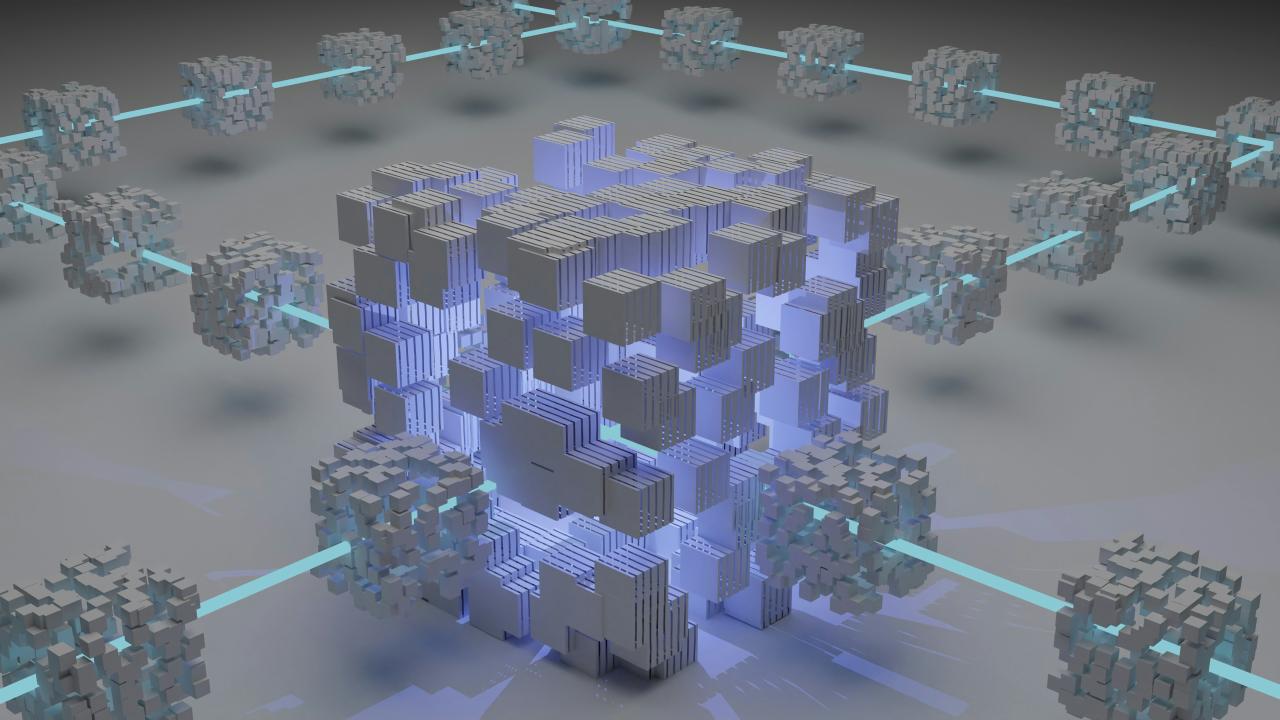
A distributed ledger solves this problem by spreading the exact same record across thousands of different computers worldwide. Every time a new transaction happens, every computer in the network updates its own copy of the ledger simultaneously.
This means there is no single point of failure and no single person who can change the history of the data. It is a collective memory that belongs to everyone in the network rather than a private company or a government.
A. Decentralization that removes the need for a central middleman or authority.
B. Transparency that allows every participant to view the transaction history.
C. Immutability which ensures that once a record is written, it stays there forever.
D. High availability because the network stays online even if some computers fail.
Investors often worry that “decentralized” means “unregulated” or “chaotic” in the real world. You can solve this fear by realizing that the code itself acts as the ultimate and fair regulator.
The math behind the network ensures that everyone follows the same rules without any bias or human error. This creates a level playing field where small players have the same security as the biggest banks in the world.
How Blocks and Chains Create Security
You can think of a blockchain as a digital stack of pages where each page is full of transaction data. Once a page is full, it gets “signed” with a unique digital fingerprint called a hash that links it to the previous page. This creates a chronological chain that stretches back to the very first transaction ever recorded on the network.
If someone tries to change a single letter on an old page, the fingerprint changes, and the whole chain breaks instantly.
This alert tells the rest of the network that someone is trying to cheat or steal data from the group. Because every computer has a copy, they can easily compare the broken chain to their own perfect copies and fix it.
A. Cryptographic hashing that turns data into a unique string of letters and numbers.
B. Timestamps that prove exactly when a transaction took place in the system.
C. Consensus mechanisms like “Proof of Work” that validate every single new block.
D. Peer-to-peer sharing that keeps every computer in the network perfectly synced.
The technical jargon often makes people feel like they need a PhD to understand how their data stays safe. I suggest you solve this confusion by viewing the hash like a physical seal on a high-security envelope.
If the seal is broken, you know the contents are no longer trustworthy or safe to use. This visual simplicity helps you trust the system even if you don’t understand the complex math behind it.
Consensus Mechanisms Explained Simply
In a world without a boss, the network needs a way to agree on which transactions are real and which are fake. This process is called a consensus mechanism, and it is the “brain” of the decentralized ledger technology.
The most famous method requires computers to solve hard puzzles to prove they are working honestly for the network. Another popular method lets people who own a stake in the network vote on which transactions are valid and true.
These systems ensure that a bad actor would need to control more than half the network to cheat, which is nearly impossible. These rules keep the ledger honest even when thousands of strangers are participating from all over the world.
A. Proof of Work (PoW) which uses massive computing power to secure the records.
B. Proof of Stake (PoS) which uses ownership of the network to validate data.
C. Delegated Proof of Stake (DPoS) for faster and more efficient voting systems.
D. Proof of Authority (PoA) where trusted entities manage the validation process.
The high energy use of some consensus models is a major concern for modern environmentally conscious users. You solve this problem by looking for newer ledgers that use Proof of Stake, which uses almost no electricity compared to older models.
Choosing the right “consensus type” allows you to enjoy high security without contributing to a large carbon footprint. This makes the technology sustainable for the long term as more people join the digital economy.
Smart Contracts: The Future of Legal Agreements
A smart contract is a piece of code that lives on the ledger and executes itself when certain conditions are met. Imagine an insurance policy that pays you instantly the moment your flight is canceled, without you ever filling out a form.
The code “listens” for data from the airline, and once it sees the cancellation, it sends the money to your wallet. This removes the need for lawyers, paperwork, and long waiting periods that usually frustrate customers and businesses alike.
These contracts are “trustless,” meaning you don’t need to trust the other person; you only need to trust the code. They can be used for everything from real estate sales to digital voting and supply chain management.
A. Self-executing code that reduces the need for human intervention or errors.
B. Lower transaction costs by removing the expensive legal and banking middlemen.
C. Programmable money that can be set to behave in very specific ways.
D. Automatic verification that ensures all parties have met their obligations.
Most people are scared to use smart contracts because they think a single typo in the code could lose their money. You can solve this anxiety by using audited contracts that professional security firms have tested thoroughly.
Always start with small amounts of money to test how the contract works before committing a large sum of your capital. This cautious approach allows you to benefit from automation while keeping your financial risk very low.
Transparency Versus Privacy in Ledgers
One of the biggest misconceptions about decentralized ledgers is that they are completely anonymous and private for everyone. In reality, most public ledgers are “pseudonymous,” meaning your identity is hidden behind a long string of characters called a public key.
Anyone can see the transactions flowing through that key, but they don’t necessarily know that the key belongs to you specifically. This balance of transparency and privacy is what makes the technology so powerful for fighting corruption and tracking funds.
However, new types of private ledgers are being built for businesses that need to keep their trade secrets hidden from competitors. Understanding how your data is visible to the public is vital for protecting your digital footprint and your wealth.
A. Public keys that act as your digital mailbox address for receiving assets.
B. Private keys that act as your secret password to move or spend your assets.
C. Explorers that allow anyone to track the flow of money across the whole network.
D. Zero-knowledge proofs that allow for verification without revealing the actual data.
The fear of being “watched” on a public ledger can stop some people from ever trying this new technology. You solve this by using hardware wallets and privacy-focused tools that help you manage your digital identity more carefully.
Being aware of what you share allows you to use the ledger’s transparency as a tool for safety rather than a risk to your privacy. Knowledge is your best shield in a world where every transaction is recorded for the rest of history.
Transforming the Global Supply Chain
The logistics industry is often a mess of paper forms, lost containers, and confusing shipping delays across different countries. Decentralized ledgers provide a “single source of truth” that every shipping company, truck driver, and customer can see in real-time.
When a pallet of medicine leaves a factory, its temperature and location can be recorded on the ledger every few minutes. If the medicine gets too warm during the trip, the ledger records the exact moment it happened and who was responsible.
This level of accountability prevents fraud and ensures that high-quality products reach the people who need them most. It turns the global supply chain into a transparent and efficient machine that saves time and money for everyone.
A. Real-time tracking of goods from the raw material stage to the final buyer.
B. Verification of origin to prevent counterfeit products from entering the market.
C. Automated payments that release funds once the shipping container arrives safely.
D. Reduced paperwork that speeds up the customs process at international borders.
Consumers often feel powerless to know if the expensive “organic” food they buy is actually real or just a marketing lie. You solve this “trust gap” by looking for brands that use blockchain to track their products back to the original farm.
Scanning a QR code to see the product’s history on an immutable ledger gives you the confidence that you are getting exactly what you paid for. This technology empowers the consumer to demand more honesty and quality from every brand they support.
Decentralized Identity: Owning Your Own Data
Right now, giant social media companies and credit bureaus own all your personal data and profit from it every day. Decentralized ledger technology allows for “self-sovereign identity,” where you own your own data and only share what is necessary.
If a website needs to know you are over eighteen, you can prove it with a digital signature without sharing your birth date. You hold the “keys” to your own identity, and you can revoke access to your data at any time you choose.
This prevents massive data breaches because your info is not stored in one giant, vulnerable central database owned by a corporation. It puts the power back into the hands of the individual and protects our digital rights in an increasingly online world.
A. Digital wallets that store your verified ID, diplomas, and health records safely.
B. Selective disclosure that only reveals the specific info needed for a task.
C. Revocable access that gives you total control over who sees your private info.
D. Interoperable IDs that work across many different websites and services.
The thought of losing your “identity keys” is a terrifying prospect that keeps many people stuck in the old, centralized system. You can solve this by using social recovery features where trusted friends can help you regain access to your account.
This “safety net” provides the security of the new world with the peace of mind that you won’t be locked out forever. Transitioning to an identity you own is the ultimate way to protect your digital freedom for the rest of your life.
The Evolution of Finance and DeFi
Decentralized Finance, or DeFi, is the use of ledgers to recreate traditional banking services like lending, borrowing, and trading. In the DeFi world, there are no banks, no bank managers, and no credit checks required to get a loan.
Instead, the smart contracts handle everything automatically, allowing people to earn interest on their assets or borrow money instantly. This opens up financial services to billions of people who don’t have access to a traditional bank account in their country.
It also allows for “fractional ownership,” where you can buy a small piece of an expensive building or a rare piece of art. This democratization of finance is leveling the playing field for investors all over the world, regardless of their background.
A. Decentralized exchanges (DEXs) that allow for direct trading between users.
B. Yield farming that lets you earn high interest by providing liquidity to the group.
C. Over-collateralized loans that protect the system from sudden market crashes.
D. Stablecoins that peg their value to traditional currencies to reduce volatility.
The high volatility of the crypto market makes DeFi feel like a dangerous casino for many traditional and conservative investors. You can solve this by focusing on stablecoins and “blue-chip” protocols that have been around for several years and have high trust.
Using these tools allows you to earn much higher interest rates than a savings account without the roller-coaster price swings of Bitcoin. This is the smart way to use the new financial system to build your wealth steadily and safely over time.
Blockchain in Healthcare and Medical Records
Medical records are currently scattered across different hospitals and clinics, making it hard for doctors to see your full history. Decentralized ledgers can store a secure link to your records that only you and your authorized doctors can access with a key.
This ensures that in an emergency, a doctor can see your allergies and past surgeries instantly, no matter where you are. It also helps pharmaceutical companies track the results of clinical trials more accurately without compromising patient privacy.
The ledger ensures that your sensitive health data cannot be altered or lost, which could literally be a life-saving feature. Healthcare is becoming a more personalized and data-driven field thanks to the security of these distributed systems.
A. Secure sharing of patient data between different hospitals and specialists.
B. Patient-owned records that allow you to move between different doctors easily.
C. Tracking the supply chain of medicine to ensure safety and high quality.
D. Fraud prevention in health insurance claims using automated verification.
The worry of having your private health data “on the internet” is a valid concern for anyone who values their personal privacy. You solve this by understanding that the ledger only stores the “proof” of the record, not the actual sensitive medical details.
The actual records remain in secure, encrypted storage that only your private key can unlock for a specific person or time. This creates a “double lock” system that is much safer than the old paper files or simple digital databases used today.
The Future of Voting and Governance
Traditional voting systems are often criticized for being slow, expensive, and vulnerable to various forms of fraud or human error. Decentralized ledgers can provide a transparent and immutable way to cast and count votes in real-time across a whole nation.
Every citizen could have a unique digital token that they use to vote on their smartphone from the comfort of their home. Because the records cannot be changed, the results are instantly verifiable by anyone who wants to check the public chain.
This technology could lead to “liquid democracy,” where people can vote directly on specific issues or delegate their vote to an expert. It has the potential to make our governments more responsive and our elections much more trustworthy for every single citizen.
A. Immutable voting records that prevent any tampering or “lost” ballot boxes.
B. Real-time counting that provides instant results as soon as the polls close.
C. Identity verification that ensures one vote per person without compromising privacy.
D. Lower costs for running elections by removing the need for physical polling sites.
People often fear that a digital voting system could be hacked by a foreign power to change the outcome of an election. You can solve this doubt by realizing that a decentralized network has no central server for a hacker to attack and win.
Forcing a change would require hacking millions of individual phones at the exact same time, which is practically impossible for any group. This makes a ledger-based system significantly more secure than the paper or electronic machines we currently use to choose our leaders.
Conclusion
Ledgers are the future. Data is now safe. You can trust the system. middlemen are leaving now. Costs are going down. Speed is much higher today.
Own your own data. Protect your digital ID. No more giant leaks. Smart contracts save time. They follow the rules. Trust the code always.
DLT changes every world. From banks to health. It is a big shift. Do not be afraid. Start your journey now. Learn the new tools. The world is changing. stay ahead of trends. Your future is decentralized.